I accept most NJ major insurances, NJ Medicare & EAP benefit
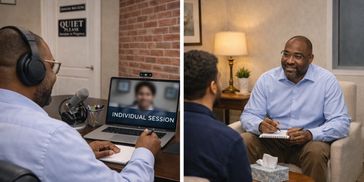
Individual Sessions (telehealth and in-person options available)
Individual Sessions (telehealth and in-person options available)
Individual Sessions (telehealth and in-person options available)
Outpatient individual counseling provides a structured, confidential space for clients to address substance use concerns while continuing to manage daily responsibilities such as work, school, and family life. Sessions focus on helping individuals understand the patterns, behaviors, and underlying factors that contribute to substance use
Outpatient individual counseling provides a structured, confidential space for clients to address substance use concerns while continuing to manage daily responsibilities such as work, school, and family life. Sessions focus on helping individuals understand the patterns, behaviors, and underlying factors that contribute to substance use while developing practical strategies that support long-term recovery.
Each session is tailored to the client’s specific needs, treatment goals, and stage of recovery. The focus is on building insight, strengthening coping skills, and developing healthier responses to stress, triggers, and life challenges.
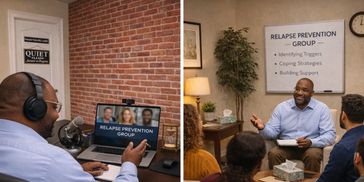
Relapse Prevention Groups
Individual Sessions (telehealth and in-person options available)
Individual Sessions (telehealth and in-person options available)
Relapse Prevention Groups provide a structured and supportive environment where individuals in recovery can strengthen the skills necessary to maintain sobriety and manage high-risk situations. These groups focus on helping participants recognize triggers, understand patterns that contribute to relapse, and develop practical strategies to
Relapse Prevention Groups provide a structured and supportive environment where individuals in recovery can strengthen the skills necessary to maintain sobriety and manage high-risk situations. These groups focus on helping participants recognize triggers, understand patterns that contribute to relapse, and develop practical strategies to maintain long-term recovery.
Group sessions encourage open discussion, shared experiences, and peer support. Participants often benefit from hearing the perspectives of others who are working through similar challenges, which helps reduce isolation and strengthens accountability within the recovery process.
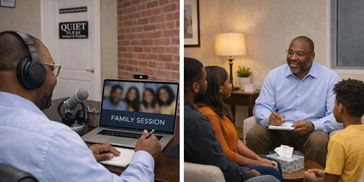
Family Education
Individual Sessions (telehealth and in-person options available)
Family Education Services are designed to help family members better understand substance use disorders and the recovery process while strengthening their ability to support a loved one in treatment. Addiction often affects the entire family system, and education can play a critical role in improving communication, reducing conflict, and
Family Education Services are designed to help family members better understand substance use disorders and the recovery process while strengthening their ability to support a loved one in treatment. Addiction often affects the entire family system, and education can play a critical role in improving communication, reducing conflict, and promoting healthier family dynamics.
These sessions provide family members with accurate information about addiction, recovery, and the challenges individuals may face while working toward long-term stability. The goal is to help families respond in ways that encourage accountability, healthy boundaries, and meaningful support.
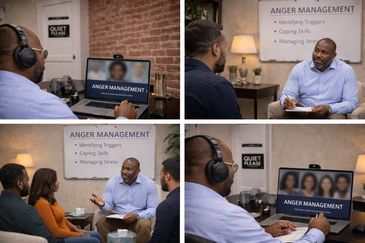
Anger Management
Communication and Social Skills Development
Anger Management services help individuals understand the underlying causes of anger and develop healthier ways to manage emotional responses. While anger is a normal emotion, difficulty managing it can lead to strained relationships, poor decision-making, legal consequences, and increased stress that may interfere with recovery and perso
Anger Management services help individuals understand the underlying causes of anger and develop healthier ways to manage emotional responses. While anger is a normal emotion, difficulty managing it can lead to strained relationships, poor decision-making, legal consequences, and increased stress that may interfere with recovery and personal stability.
Anger management sessions focus on helping individuals recognize emotional triggers, understand behavioral patterns, and develop practical strategies to respond to challenging situations in a controlled and constructive manner.
Emotional Regulation
Communication and Social Skills Development
Communication and Social Skills Development
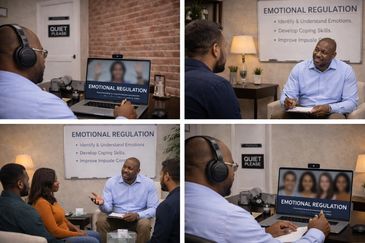
Emotional Regulation services help individuals develop the skills necessary to understand, manage, and respond to their emotions in healthy and constructive ways. Difficulty regulating emotions can contribute to impulsive behaviors, relationship conflicts, poor decision-making, and increased vulnerability to substance use.
These sessions f
Emotional Regulation services help individuals develop the skills necessary to understand, manage, and respond to their emotions in healthy and constructive ways. Difficulty regulating emotions can contribute to impulsive behaviors, relationship conflicts, poor decision-making, and increased vulnerability to substance use.
These sessions focus on helping individuals increase emotional awareness while learning practical strategies to manage intense feelings such as anger, frustration, anxiety, sadness, and stress. By improving emotional regulation, individuals are better able to maintain stability and make healthier choices in challenging situations.
Communication and Social Skills Development
Communication and Social Skills Development
Communication and Social Skills Development
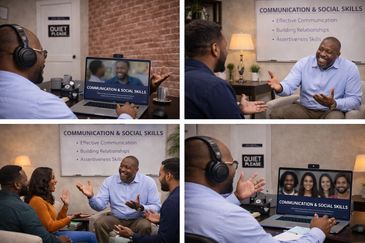
Communication and Social Skills services help individuals strengthen their ability to interact effectively with others in personal, professional, and community settings. Difficulties with communication and interpersonal relationships can contribute to conflict, misunderstanding, isolation, and stress that may negatively impact recovery an
Communication and Social Skills services help individuals strengthen their ability to interact effectively with others in personal, professional, and community settings. Difficulties with communication and interpersonal relationships can contribute to conflict, misunderstanding, isolation, and stress that may negatively impact recovery and personal stability.
These sessions focus on helping individuals develop the awareness and practical skills needed to communicate clearly, listen effectively, and build healthier relationships. Clients learn how their communication patterns influence interactions with others and how to improve those patterns in a constructive way.
Employment and Employability Skills
Employment and Employability Skills
Employment and Employability Skills
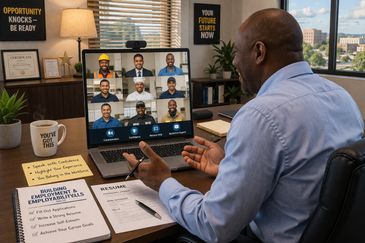
Employment and Employability Skills services are designed to help individuals develop the practical skills, confidence, and preparation necessary to obtain and maintain stable employment. Meaningful employment can play an important role in supporting recovery, promoting independence, and improving overall quality of life.
These sessions fo
Employment and Employability Skills services are designed to help individuals develop the practical skills, confidence, and preparation necessary to obtain and maintain stable employment. Meaningful employment can play an important role in supporting recovery, promoting independence, and improving overall quality of life.
These sessions focus on helping individuals identify barriers to employment while building the skills needed to successfully enter or re-enter the workforce. Clients receive guidance in developing responsible work habits, improving professional communication, and preparing for job opportunities.